
Chocolate Covered Licorice: The Complete Guide
Yes, licorice goes with chocolate, and for a simple reason: the bitterness of real black licorice and the sweetness of chocolate do exactly what salt and sugar always do together. They sharpen each other. The result is a pairing that has been part of Scandinavian candy-making for decades and that is now drawing serious attention from international food media.
This guide covers everything about chocolate covered licorice: the flavor science behind why it works, the different chocolate types used, how Swedish black licorice compares to other licorice in this context, and a full overview of the Haupt Lakrits chocolate range.

Does Licorice Go With Chocolate?
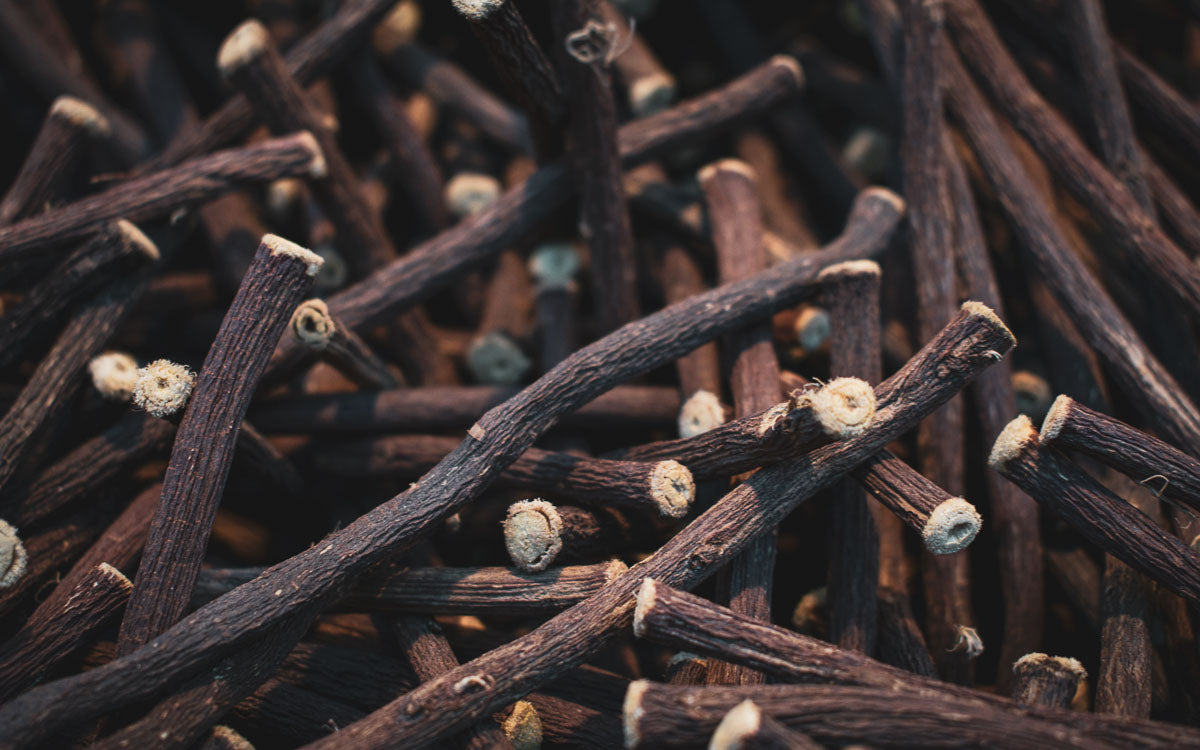
Licorice and chocolate work together because they share a set of aromatic compounds that amplify each other rather than compete. Real black licorice, made from Glycyrrhiza glabra root extract, has a bitter, herbal, slightly anise-like character. Dark chocolate has bitterness of its own, plus depth from the fermentation and roasting of cacao. When the two meet, the sweetness of the chocolate softens the bite of the licorice while the licorice root character gives the chocolate a complexity it does not have on its own.
Milk chocolate creates a creamier, more approachable version of this pairing. White chocolate, which has no cocoa solids at all, creates the most striking contrast of all: the boldness of salty Swedish licorice against a coating that is entirely sweet and milky. This is exactly the combination behind Ultra Violet, Haupt Lakrits' award-winning white chocolate licorice.
In short: is chocolate covered licorice good? When the licorice is real and the chocolate is quality, yes. The pairing has a logic to it that holds across every chocolate type.
Why the Salt-Sweet Combination Works
Swedish black licorice contains ammonium chloride, known as salmiak. Salmiak is a mineral salt with a sharp, savory edge that is distinct from table salt. When salmiak licorice is coated in chocolate, you get three simultaneous flavor signals: the bitterness of real licorice root, the sharp mineral note of salmiak, and the sweetness of chocolate.
The reason this combination is compelling rather than confusing is a well-documented phenomenon in flavor science called "contrast enhancement." Salt suppresses bitterness and amplifies sweetness at the same time. A small amount of salt in chocolate is common in high-end confectionery precisely because of this effect. In chocolate-coated salmiak licorice, the salt is built into the licorice itself, distributing through every bite rather than sitting on the surface.
The result is candy that tastes more intense than its individual parts. The chocolate seems sweeter. The licorice seems bolder. Together they are more than either would be alone.
To learn more about salmiak and how it shapes the flavor of Swedish licorice, see the full guide to salmiak.
Swedish Black Licorice vs Other Licorice With Chocolate
Not all chocolate-covered licorice is the same. The character of the licorice underneath matters as much as the chocolate coating.
American-style licorice, the kind found in most US candy stores, is typically made from wheat flour and artificial anise flavoring rather than real licorice root. When this type is coated in chocolate, the result is soft and sweet, but it lacks the herbal depth and mineral quality of real licorice. The contrast that makes the pairing interesting is not there.
Dutch licorice ("drop") is real black licorice and shares the salmiak tradition, but Dutch varieties tend toward a harder, chewier texture. Swedish licorice is generally softer and more elastic, which means the chocolate coating cracks cleanly against a yielding center rather than the whole piece resisting at once.
Swedish chocolate-coated licorice, and specifically the Haupt Lakrits range, is made from real licorice root with salmiak, then coated in premium chocolate with varying levels of cocoa. The combination of authentic ingredients and quality coating is what distinguishes it from mass-market alternatives.
For a full comparison of Swedish and American licorice, see Swedish Licorice vs American Licorice: Key Differences.

Types of Chocolate Used and How Each Pairs
The choice of chocolate changes the character of the finished candy significantly. Here is how each type performs with Swedish black licorice.
Dark Chocolate
Dark chocolate (typically 55 to 70% cocoa) has its own bitterness and a deep, roasted character that amplifies the herbal notes in real licorice root. The pairing is bold and complex, best suited for people who already enjoy both dark chocolate and strong flavors. The salmiak in Swedish licorice cuts through the bitterness of dark chocolate and stops it from becoming heavy. The result is intense, not cloying. Chokade Svenskjavlar, Haupt Lakrits' dark-chocolate-dipped version of the world's saltiest licorice, is the most extreme expression of this approach.
Milk Chocolate
Milk chocolate is creamier and sweeter, with lower cocoa content and added dairy solids. Against the saltiness of Swedish licorice, milk chocolate provides more contrast and a more accessible entry point for anyone new to the combination. The bitterness is softer, the sweetness more prominent. Products like Nice Mint and Naughty Ginger use a combination of milk and dark chocolate, creating a layered experience that evolves as you eat.
White Chocolate
White chocolate contains no cocoa solids, only cocoa butter, sugar, and milk. It is entirely sweet and lacks the bitterness of dark or milk chocolate. Against bold Swedish black licorice with salmiak, the contrast is sharp and striking: a sweet, creamy exterior around a powerful, savory center. This is an unusual combination by any standard, which is part of what makes Ultra Violet stand out. It has won international recognition precisely because the contrast is so unexpected and so effective.
The Haupt Lakrits Chocolate Range
Haupt Lakrits produces six chocolate-coated licorice products, each using a different combination of chocolate type, licorice character, and additional flavors. All products are made from real Swedish black licorice with real licorice root extract.
Browse the full chocolate coated licorice collection or read the individual product stories below.
Ultra Violet
Ultra Violet is bold Swedish black licorice coated in white chocolate. The contrast between the sweet, milky coating and the salmiak-forward center is stark and deliberate. This product has won international candy awards and is one of the most distinctive pieces in the Haupt Lakrits range. Read the full story in Ultra Violet: The Award-Winning White Chocolate Licorice.
Chilla Gunilla
Chilla Gunilla is smooth Swedish black licorice coated in premium chocolate. It is one of the most approachable pieces in the range: the chocolate is bold and the licorice is present but not extreme. A good starting point for anyone new to chocolate-coated Swedish licorice.
Nice Mint
Nice Mint adds a peppermint finish to salty Swedish licorice in a combination of dark and milk chocolate. The mint rounds the salmiak edge and creates a cool, clean finish. Three flavor layers: salt, chocolate, mint.
Naughty Ginger
Naughty Ginger wraps Swedish black licorice in milk chocolate with a crispy gingerbread shell. The spice of the ginger and the warmth of the gingerbread make this the most seasonal-feeling piece in the range, though it works year-round.
The Salted Caramel
The Salted Caramel adds rich caramel to Swedish black licorice, coated in premium chocolate. The caramel softens the salmiak edge and adds a buttery sweetness that sits between the licorice and the chocolate coating. The most dessert-like piece in the range.
Chokade Svenskjavlar
Chokade Svenskjavlar is Haupt Lakrits' dark-chocolate version of Svenskjavlar, already known as the world's saltiest licorice. The dark chocolate does not tame the salmiak; it adds a new dimension of bitterness alongside it. This is the most challenging piece in the range and the one most requested by experienced licorice eaters. Read about the original Svenskjavlar in Svenskjavlar: The Story Behind the World's Saltiest Licorice.

How to Choose Your Chocolate Licorice
The right choice depends on two things: your tolerance for salt and your preference for chocolate intensity.
If you are new to Swedish licorice, start with Chilla Gunilla or The Salted Caramel. Both have real licorice root character but the salmiak is balanced, not confrontational. The chocolate coating is approachable.
If you enjoy dark chocolate and can handle bold flavors, try Nice Mint or Chokade Svenskjavlar. Nice Mint adds complexity through the mint layer. Chokade Svenskjavlar is for people who want to understand what salmiak licorice really means.
If you want something unusual and are willing to trust a flavor contrast that sounds unlikely, Ultra Violet is the answer. The white chocolate and salmiak combination should not work as well as it does. That it works at all is the point.
If you want to try the full range, the chocolate coated licorice collection is the right starting point. For a curated selection across all styles, the best sellers collection includes the top performers from both the chocolate and non-chocolate range.
Pairing Chocolate Licorice With Drinks
Chocolate-covered Swedish licorice pairs well with a narrow set of drinks that can match its intensity. Bitter, roasted, or tannic drinks work best because they share flavor compounds with both the licorice and the chocolate.
Black coffee is the most natural pairing: the bitterness of espresso and the bitterness of real licorice root align, while the chocolate coating softens the combination. A dark chocolate licorice piece alongside a shot of espresso is a common pairing in Sweden.
Red wine with enough tannin, a Syrah or a Malbec, can handle the intensity of dark chocolate licorice. The fruit in the wine contrasts the mineral character of the salmiak. Avoid light or sweet wines; they are overwhelmed.
For a full guide to pairing Haupt Lakrits products with drinks, see Pairing Licorice with Drinks: Coffee, Wine, and More.
Frequently Asked Questions
Does licorice go with chocolate?
Yes. Real black licorice and chocolate is one of the few savory-sweet combinations in candy that works because of flavor chemistry rather than despite it. The salt in salmiak licorice suppresses bitterness and amplifies the sweetness of the chocolate, while the herbal depth of real licorice root gives the chocolate a complexity it does not have on its own.
Is chocolate covered licorice good?
When the licorice is made from real licorice root with salmiak and the chocolate is quality, yes. Mass-market chocolate licorice made from artificial flavoring and cheap compound chocolate is a different product. Swedish chocolate-covered licorice, particularly the Haupt Lakrits range, is in a different category.
What is the best chocolate for licorice?
Dark chocolate (55 to 70% cocoa) is the most common pairing for Swedish black licorice and gives the most complex result. Milk chocolate is more approachable and better for newcomers to the combination. White chocolate produces the most striking contrast because it has no bitterness of its own, making the salmiak in the licorice more prominent by contrast.
Is chocolate covered licorice popular in Sweden?
Yes. Chocolate-coated licorice is a well-established category in Swedish confectionery. Sweden produces some of the most technically sophisticated chocolate licorice in the world, and Haupt Lakrits was founded in Stockholm to take this tradition to an international audience.
Explore the full range: Chocolate Coated Licorice Collection | Swedish Black Licorice: The Complete Guide | Salty Licorice and Salmiak Guide